
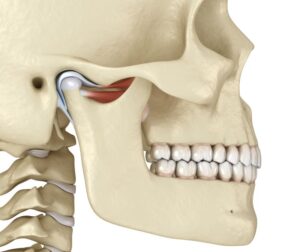
TMJ disorder, which is sometimes called TMD or just TMJ, is a common condition that affects the jaw joints. In some cases, it causes severe pain and a range of other symptoms that can have a huge impact on quality of life. Fortunately, modern medicine offers effective treatments. Indeed, many professionals offer therapies that have the potential to provide relief. But dentists are often the best starting point for care. Why? This blog post explains three big reasons.
Dentists Understand Facial Anatomy
While you might think of your dentist simply as a “tooth doctor,” that is actually an oversimplification of their expertise. Indeed, dentists possess in-depth knowledge of the anatomy of both your mouth and the surrounding structures. That means they understand how the temporomandibular joints (TMJs) work and the factors that can lead to TMD.
Plus, TMD is often related to dental issues, such as a misaligned bite or teeth grinding. Your dentist can evaluate these as potential causes of your symptoms and recommend your next steps.
Dentists Offer Non-Invasive Treatment
As a general rule, medical professionals should always recommend the most conservative treatment that fits a patient’s unique situation.
Fortunately, many dentists offer completely non-invasive therapies for addressing TMD. For example, they can coach you on home remedies that may relieve symptoms, including massages, stretches, and minor lifestyle changes like dietary adjustments or posture improvements.
They may also recommend that you start wearing an occlusal splint. This is a custom-made device that looks like a mouthguard. Its job is to gently reposition your lower jaw in a way that minimizes stress on your TMJs and leads to lasting symptom relief.
Dentists Work with Other Professionals
If your TMD is particularly complex or does not respond to common treatments, your dentist can help you explore other options. For example, they might determine that you need orthodontic care, which can realign your bite and potentially improve the health of your jaw joints.
In rare cases, surgery is necessary to address TMD. Your dentist may refer you to a trustworthy local specialist who can perform the needed procedure.
TMJ problems should not be ignored! Talk to your dentist to find out how you can start managing your condition.
Meet the Practice
At Canal Side Family Dental, we are proud to offer a broad range of treatments for our community, including conservative care for TMJ disorder. If you have been suffering from jaw pain, headaches, and related symptoms, we are ready to evaluate your situation and advise you on your next steps. Request a consultation by contacting our Buzzards Bay office at 508-375-3149.